Cinematic AI production
AI-generated short films, narrative scenes, cinematic teasers, branded videos and concept trailers. Shot continuity, visual tone and narrative rhythm matter more than a spectacular isolated clip.
Film direction and generative engineering in one production workflow. We shape the story, design the frame, animate the scene and finish the film.
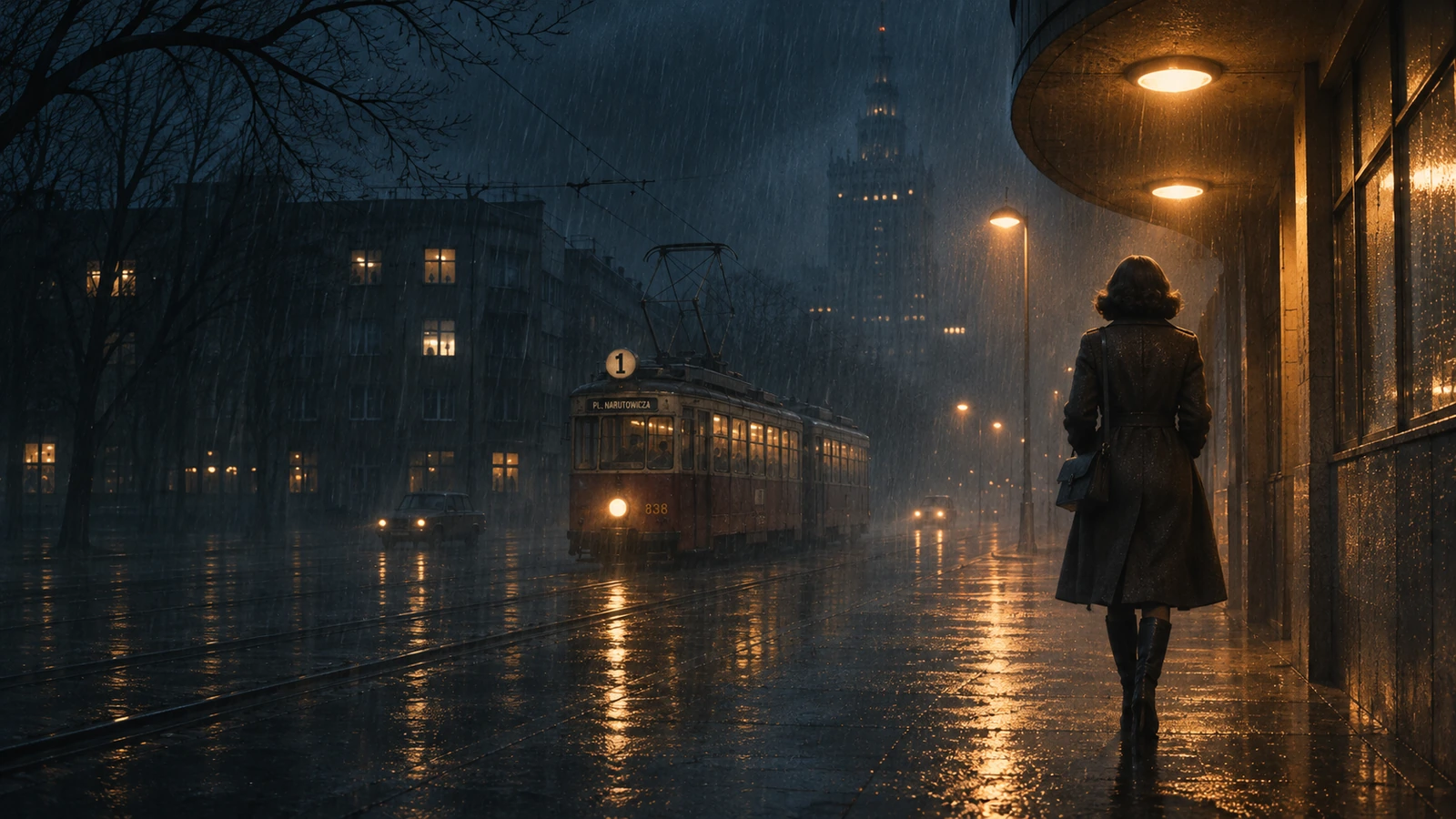
VEMBERNO is an independent cinematic AI production studio working at the intersection of film language, visual design and generative media. We create atmospheric short-form films, commercials, teasers, previsualization and production-ready visual concepts for clients in Poland and Europe. The model is a tool; directing the scene is the work.
AI-generated short films, narrative scenes, cinematic teasers, branded videos and concept trailers. Shot continuity, visual tone and narrative rhythm matter more than a spectacular isolated clip.
Product storytelling, creative advertising concepts, visual campaigns and motion assets designed to work across formats and channels, not just as one-off demonstrations.
Script-to-storyboard, shot lists, moodboards, look frames, character design, period environments, camera-language tests and animatics before expensive production begins.
Model research, direct prompt engineering, repeatable T2I / I2I / T2V / I2V / R2V / V2V pipelines, API orchestration, asset versioning and human quality control.
A film is not a string of random generations. It is a controlled sequence of creative and technical decisions.
We define the message, audience, duration, distribution formats and dramatic structure. A beat sheet and sequence outline establish what each scene must communicate; the storyboard follows the story, not the reverse.
We establish art direction, composition, lens language, lighting, period details, props and character identities. Reference sheets and approved keyframes become visual constraints shared across subsequent shots.
We produce still frames from text or reference images, compare model outputs, refine facial identity and physical details, and approve start/end frames before spending credits on animation.
Approved frames become moving shots. We select a model per task, define duration, framing, camera behavior, action, dialogue requirements and reference assets; then iterate on motion and continuity.
We assess transitions, hands, reflections, facial drift, costume continuity and camera movement. Where appropriate, video-to-video, motion transfer, targeted edits or upscaling improve a chosen shot without rebuilding the whole film.
In DaVinci Resolve we assemble takes, refine pacing, sound design, dialogue integration, lip synchronization, color and finishing. Final masters and aspect-ratio variants are prepared for the intended platform.
Different generative video tasks need different architectures and inputs. We design the workflow around artistic control, consistency and output requirements, rather than relying on a single model for everything. The names below identify model families and tools considered for particular tasks; selection is project-dependent.
Visual exploration, concept art, moodboards, location and character keyframes.
Reference-guided transformations, look refinement, framing and controlled changes to approved stills.
Generating shots from a written scene description, camera instructions and action beats.
Animating approved keyframes while preserving composition, character appearance and atmosphere.
Guidance from character, object, scene, image or video references; a multi-reference approach to continuity.
Targeted transformation of existing footage, video editing, motion transfer and scene adjustments.
Lip-sync, upscaling, conforming, compositing, sound design, subtitles and master delivery.
Every generation is a controlled experiment: a prompt specifies the subject, action, visual intent and negative constraints; reference frames anchor identity, props and the location. We evaluate motion, temporal consistency, scene continuity and model-specific failure modes before approving a shot.
For multi-shot work we keep a consistent visual bible, shot IDs, reference versions, parameters and output inventory. We distinguish what the model generated from what was actually approved. This avoids rebuilding scenes and makes revisions more predictable.
Technical production can use Python and model APIs via fal.ai, ComfyUI graph workflows and FFmpeg utilities; picture editing and final grading stay in DaVinci Resolve. A hybrid pipeline allows manual art direction where it matters and automation where it genuinely saves time.
We can support a project from the first visual idea to delivery, or take on a defined stage: visual development, previsualization, AI shot production, technical workflow design or post-production. Typical outputs include approved keyframes, animatics, film shots, short trailers, campaign assets and finished edits.
An effective AI film workflow combines storytelling, cinematography, consistent characters and locations, reference images, generative video models, editing and human review. Text-to-video is only one path. For controlled narrative work, image-to-video and reference-to-video often start from approved stills, while video-to-video can refine selected existing shots. The goal is a coherent film, not an assortment of unrelated demos.
Yes, but consistency requires planning. We combine character references, approved keyframes, wardrobe and lighting constraints, shot-by-shot review and, where appropriate, reference-to-video models. No single model guarantees perfect identity.
No. Still-image generation, shot animation, reference conditioning, video transformation and finishing are different tasks. We match models to shots, technical constraints and the required degree of control.
Yes. We prepare clips for timeline-based editing, pacing, compositing, audio post and color workflows in DaVinci Resolve. Delivery format, frame rate and resolution are agreed in the brief.
It can be, especially for concept films, previsualization and stylized commercial storytelling. We define usage rights, quality requirements, brand constraints and review steps for each project.
Send a short project outline: format, creative goals, references, timing and budget range. We will respond through the contact form.